
Many people in struggling relationships secretly wonder if there’s a better future for them.
I know because they tell me.
And the truth is…
they might be in the wrong relationship.
But not in the way they think.
Most people assume the “wrong relationship” means they chose the wrong person.
That if they were with someone else, everything would feel easier.
More passion.
Less conflict.
More connection.
More peace.
But what if the real problem isn’t who you chose…
What if the problem is how the relationship was built?
Most relationships are not intentionally designed.
They are unconsciously created.
Built through:
- emotional reactions
- fear of conflict
- survival patterns
- assumptions
- poor communication models
- unmet emotional needs
- childhood conditioning
- outdated beliefs about love and connection
Two people can love each other deeply and still build a relationship dynamic that slowly destroys connection.
That’s why leaving doesn’t automatically solve the problem.
Because if you don’t change the blueprint…
you often recreate the same emotional experience with someone new.
Different face.
Same patterns.
This is why some people go through multiple relationships carrying the same frustrations, resentment, emotional distance, or loneliness into every chapter of their lives.
The relationship changes.
The structure underneath it doesn’t.
A great relationship is not something you find.
It’s something you build.
Most people approach relationships like tenants.
They move into the emotional structure that exists and hope it somehow works out. When things break, they patch them up temporarily. When the pain becomes unbearable, they start looking for another relationship.
But thriving couples think differently.
They become architects.
They intentionally design:
- emotional safety
- communication
- trust
- attraction
- shared vision
- friendship
- emotional connection
- healthy conflict resolution
They stop leaving connection to chance.
And once you understand this, something powerful happens:
You stop feeling trapped.
Because you realise your relationship dynamic is not fixed.
It was created.
Which means it can also be rebuilt.
This is one of the biggest shifts couples experience when they work with me.
They stop asking:
“Who is wrong?”
and start asking:
“What have we unintentionally built together?”
That question changes everything.
Because most struggling couples are not dealing with incompatibility.
They are dealing with unhealthy patterns they never learned how to interrupt.
Many of my clients say things like:
“On paper we have an amazing life… but behind closed doors we’re miserable.”
“We love each other but we don’t know how to stop hurting each other.”
“We feel stuck between staying unhappy or destroying everything we built.”
The problem is rarely a lack of potential.
The problem is that nobody ever taught them how to build a relationship intentionally.
The good news?
Relationship dynamics are trainable.
Connection can be rebuilt.
Trust can be rebuilt.
Attraction can be rebuilt.
Emotional safety can be rebuilt.
But only when people stop reacting to the relationship they have and start consciously building the relationship they actually want.
I once worked with a gentleman in his third marriage who was convinced he needed to leave. What he eventually discovered was that the emotional disconnect had been unconsciously recreated across every relationship in his life.
When he finally understood the pattern, everything changed.
That’s the real power:
knowing where to focus your energy.
Because most people are working incredibly hard inside their relationship…
but focusing on the wrong problem.
And when you focus on the wrong problem long enough, you eventually conclude the relationship itself is the problem.
Sometimes it is.
But often, the real issue is that the relationship was never designed to thrive in the first place.
And that can change.
If you’re ready to stop reacting and start intentionally building the relationship you actually want, that journey starts with understanding the patterns currently shaping your marriage.
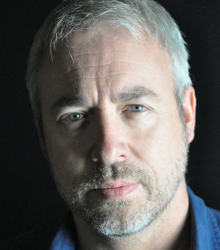
Harley Street Expert | Founder & High Performance Coach
With two decades of experience helping couples out of crisis, Stephen the founder of The Marriage Breakthrough Program, uses his proven system for rescuing and rebuilding relationships on the edge of divorce. A trusted advisor to CEOs, entrepreneurs, and industry leaders globally, his work blends emotional intelligence with strategic clarity. Known for navigating highly complex relationship challenges, Stephen helps individuals and couples find clarity and direction when everything is at stake.
Find out more >>> The Marriage Breakthrough Program