
When relationships feel threatened, most people don’t rise to their best self, they default to their most defensive one. Harsh words, cold silence, control and rage can feel powerful in the moment. But while these reactions may bring short-term relief, they quietly erode trust, intimacy and long-term connection.
Why You Reach for the Worst Version of You
When something feels wrong in your relationship, distance, rejection, criticism, emotional unpredictability, your body does not prioritise connection.
It prioritises safety.
And safety, to your nervous system, means one thing:
Stop the pain.
So you reach for what has worked before.
Not your wisest self.
Not your calmest self.
Not your most loving self.
You reach for the version of you that knows how to protect.
The sharp one.
The cold one.
The controlled one.
The explosive one.
The sarcastic one.
At some point in your life, that version worked.
It stopped you being overwhelmed.
It stopped you feeling small.
It gave you leverage.
It gave you control.
So your brain stored it as effective.
And when your relationship feels unstable, it presses replay.
Why It Feels Like Strength
Rage feels powerful.
Silence feels strong.
Harsh words feel decisive.
Withdrawing affection feels like leverage.
In the moment, you feel less vulnerable.
Less exposed.
Less powerless.
You may even feel justified.
“If they understood how much this hurts, they’d finally change.”
So your voice sharpens.
Your tone hardens.
Your words land with precision.
Sometimes you don’t just speak to be heard.
You speak to wound.
Not because you are cruel.
But because you want relief.
Relief from feeling unseen.
Relief from feeling unwanted.
Relief from feeling rejected.
And making them feel your pain gives you a hit of temporary power.
Has It Ever Worked?
Short term? Yes.
It can silence the argument.
It can make them back down.
It can regain control.
It can end the discussion.
That feels like winning.
But long term?
It has never built intimacy.
It has never deepened trust.
It has never created desire.
It has never made your partner feel safer with you.
It may have preserved the structure of the relationship.
But it has never strengthened the connection.
Every time you use the harsh version of you, you teach your partner something:
Closeness is risky.
Vulnerability is unsafe.
Love is conditional.
And when two people start protecting themselves from each other, the marriage doesn’t explode.
It slowly erodes.
The Real Reason You Keep Doing It
Under stress, human beings regress.
You don’t rise to your ideals.
You fall to your conditioning.
And conditioning is fast.
The mature version of you is slower.
It requires regulation.
It requires pause.
It requires self-awareness.
The reactive version is instant.
And when you are hurt, instant feels necessary.
But the version of you that wins arguments
is rarely the version that builds decades.
The harsh version of you is designed to win moments.
The grounded version of you is designed to win marriages.
The Question That Changes Everything
In conflict, most people ask:
“How do I get them to understand?”
The better question is:
“Who do I want to be in this relationship, even when I’m hurt?”
That question shifts you from survival to leadership.
From reaction to identity.
From punishment to power.
Because real strength in a relationship is not dominance.
It is the ability to tolerate your own pain
without weaponising it.
If the defensive version of you truly worked,
you wouldn’t still feel this unsettled.
You wouldn’t still feel this distance.
You wouldn’t still feel this question inside you.
The fact you are asking means something important:
You are no longer satisfied with survival.
You want leadership.
And that is where real change begins.
If this resonates, it means you’re ready to stop reacting and start leading.
That is exactly what I help people do.
Not through blame.
Not through therapy-style analysis.
But through identity-first emotional leadership that rebuilds safety, polarity and connection from the inside out.
If you’re prepared to look at who you are becoming under pressure — and choose differently — then it’s time to have a conversation.
Because the marriage does not change when your partner changes.
It changes when you do!
Need help with this apply here…
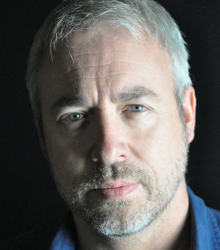
Harley Street Expert | Founder & High Performance Coach
With two decades of experience helping couples out of crisis, Stephen the founder of The Marriage Breakthrough Program, uses his proven system for rescuing and rebuilding relationships on the edge of divorce. A trusted advisor to CEOs, entrepreneurs, and industry leaders globally, his work blends emotional intelligence with strategic clarity. Known for navigating highly complex relationship challenges, Stephen helps individuals and couples find clarity and direction when everything is at stake.
Find out more >>> The Marriage Breakthrough Program
- What 5,000 Requests for Help Have Taught Me About Marriage - September 7, 2026
- They Were Told to Divorce. But Had the Real Problem Been Diagnosed? - September 4, 2026
- He Thought Their Marriage Crisis Had Just Begun. She Had Been Living in It for Years. - September 3, 2026