
She was certain divorce was the answer.
She had been unhappy for years. She felt unheard, disconnected and exhausted from trying to make the marriage work.
She knew exactly why she wanted to leave. She could explain what her husband did, what he failed to do and how living with him made her feel.
Leaving felt like the opportunity to finally move forward.
Then, in her next relationship, something unexpected happened.
The unhappiness began to feel familiar.
She was with a different person, yet some of the same problems were developing. Feelings she thought she had left behind were returning.
She couldn’t believe it was happening again.
That was what brought her to see me.
She understood why she wanted to leave her marriage. She had not fully explored why the relationship had developed those problems in the first place.
That distinction matters.
Someone can describe their unhappiness accurately while having an incomplete understanding of what created it.
They know what hurt. They remember the disappointments. They can explain why they stopped feeling close and why, eventually, they stopped trying.
But there may be parts of the relationship they have never examined.
What did they believe their partner’s behaviour meant? How did that meaning affect their response? What happened next between them?
Her attention had been on what was wrong with the man she had married. What remained less understood was how her responses may have influenced what happened between them.
Had the things she did to protect herself, get through to him or avoid another disappointment helped keep some of those difficulties going?
That question does not make her responsible for his behaviour. It gives her an opportunity to understand her own.
And that matters because her own responses were something she could take into another relationship without realising it.
Patterns can feel entirely reasonable from inside them.
A person knows why they became frustrated. They can explain why they needed reassurance, became defensive or kept their feelings to themselves.
Each response has a reason.
But a response can make sense to the person making it and still create an experience they never intended for their partner.
Their partner responds to that experience. They react to what comes back. Before long, both are dealing with the consequences of the previous reaction, while the original problem remains unresolved.
Repeat that often enough and each person can become increasingly certain that the other is the problem.
Neither needs to understand the whole pattern for both to suffer its effects.
This is why I pay attention to a person’s focus, the problems they are trying to solve and the condition the relationship has reached.
Their focus tells me where their attention keeps going and what they are using to make sense of the marriage.
Are they looking for evidence that they matter? Watching for the next disappointment? Measuring whether their partner has changed?
The problems are the difficulties occupying them: damaged trust, unresolved disagreements, missing affection or feeling unable to be themselves together.
The condition is what living with those difficulties has created over time.
Resentment. Loneliness. Exhaustion. A loss of hope.
By the time someone wants a divorce, they may be focused almost entirely on escaping that condition.
“I cannot spend the rest of my life feeling like this.”
That is understandable.
But knowing what has become unbearable does not tell us everything about how it developed. It also leaves unanswered what would need to change, whether change is possible and whether both people are willing to do the work.
The patterns help us investigate those questions.
Without that understanding, a couple can put considerable effort into improving things and still find themselves back in the same place.
They make promises. They try harder. There may even be a period when things feel better.
Then pressure returns, familiar responses take over and another attempt ends in disappointment.
Eventually, “We haven’t found a way to change this” becomes “This can never change.”
For the woman in this story, leaving had felt like the answer. What she had not explored was whether any of the responses she had developed in that marriage would affect her next relationship too.
Ending a relationship does not automatically change how someone responds when they feel hurt, uncertain or afraid of rejection.
The next partner may be different in many ways. Yet some of the meanings, expectations and protective responses brought into the relationship may be familiar.
That does not prove the previous marriage should have continued. Nor does a recurring problem prove that one person caused it.
It does give us a reason to look more carefully.
What is happening again? What is different this time? What belongs to the partner’s behaviour, and where does this person have choices they have not recognised?
Those questions create somewhere useful to go.
Someone can learn to check the meaning they attach to an event before reacting to it. They can express what matters more clearly, set limits they can follow through on and recognise the effect of their conduct under pressure.
They can also establish whether their partner is willing to take responsibility and work with them.
Understanding becomes valuable when it changes what happens next.
That is the work I help individuals and couples do. We identify the repeating difficulties, understand what is sustaining them and practise the responses needed to move forward differently.
She had been certain she understood why her marriage failed but.
The next relationship gave her a reason to look again.
There is an opportunity to ask those questions before another relationship reaches the same point.
For anyone recognising a painful repetition, a useful starting point is understanding what happens when pressure, hurt or fear enters the relationship, and where meaningful change is possible.
To understand what keeps going wrong and what would need to change, apply for a private conversation with me.
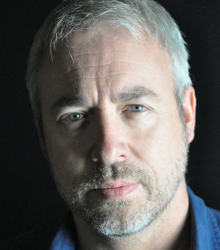
Harley Street Expert | Founder & High Performance Coach
With two decades of experience helping couples out of crisis, Stephen the founder of The Marriage Breakthrough Program, uses his proven system for rescuing and rebuilding relationships on the edge of divorce. A trusted advisor to CEOs, entrepreneurs, and industry leaders globally, his work blends emotional intelligence with strategic clarity. Known for navigating highly complex relationship challenges, Stephen helps individuals and couples find clarity and direction when everything is at stake.
Find out more >>> The Marriage Breakthrough Program
- She Was Certain Divorce Was the Answer. Then the Same Problem Appeared in Her Next Relationship. - October 17, 2026
- Why Do We Keep Creating a Relationship Neither of Us Wants? - October 15, 2026
- Are You Making Things Better or Worse in Your Marriage? - October 11, 2026